
Teaching that transforms.
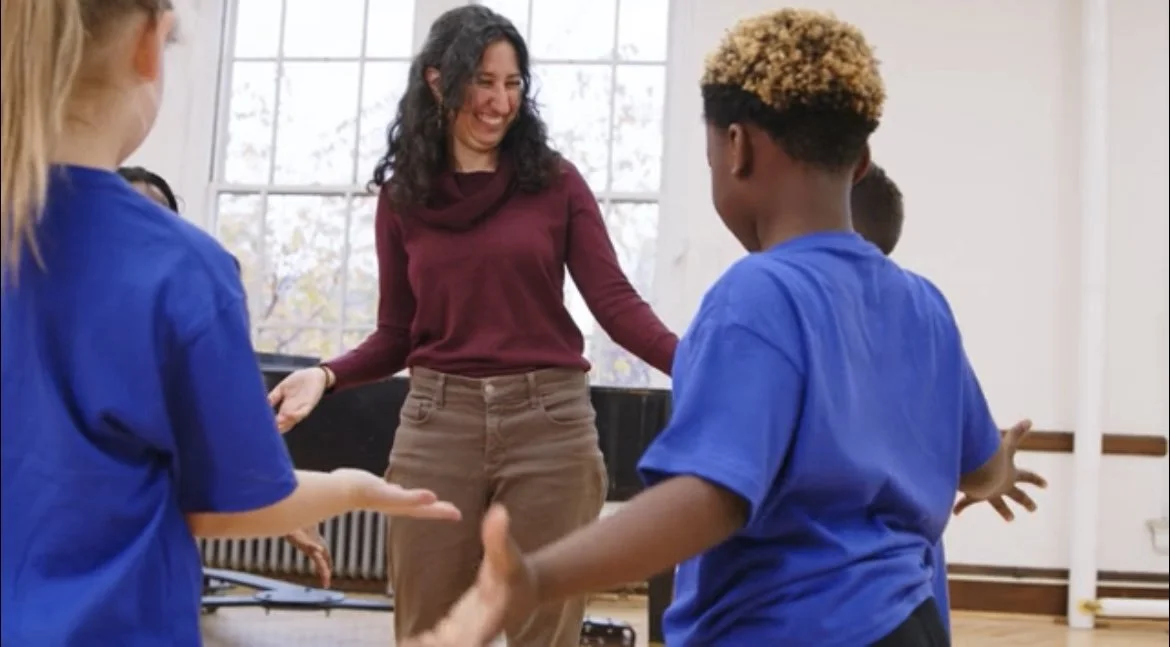
My Philosophy of Music Education
Music education should be communal, playful, and rigorous.
Music educators have a responsibility to help young people cultivate meaningful relationships with music and embrace their unique voices.
Students and teachers should learn from and with one another. This requires going beyond the traditional Western canon to validate all kinds of musical expression—including global musical traditions, contemporary music, and music created by students themselves.
Ultimately, music education is not merely about teaching notes and rhythms; it is about nurturing the whole, complex person and providing them with tools to grapple with the beautiful and messy parts of being alive.
With 5 years of K-12 teaching experience…
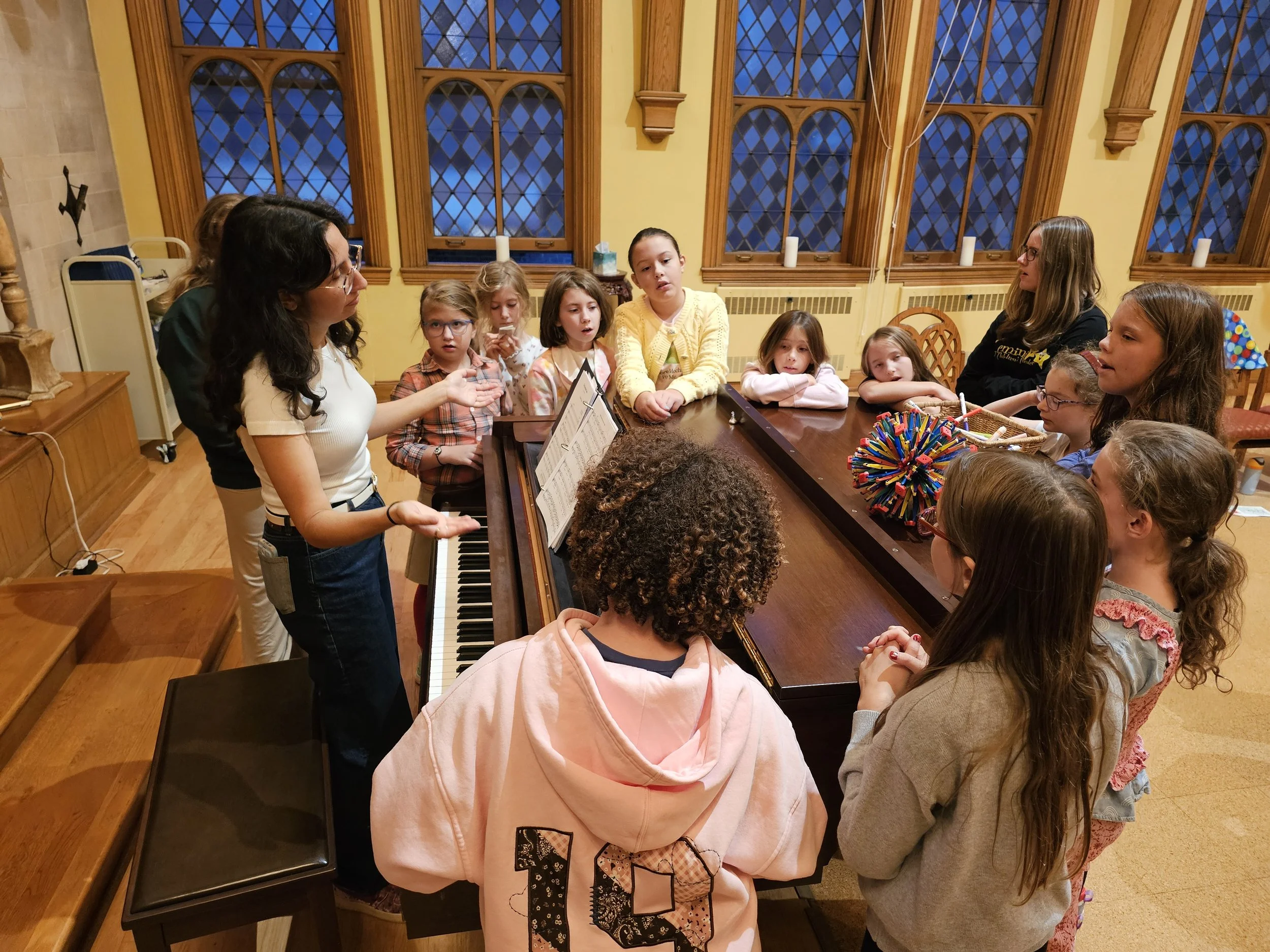
Choral Music
Lisa has directed choirs composed of students in kindergarten through high school. By selecting diverse repertoire and prioritizing both ear training and musical literacy, Lisa’s students experience a holistic and creative music education through group singing.
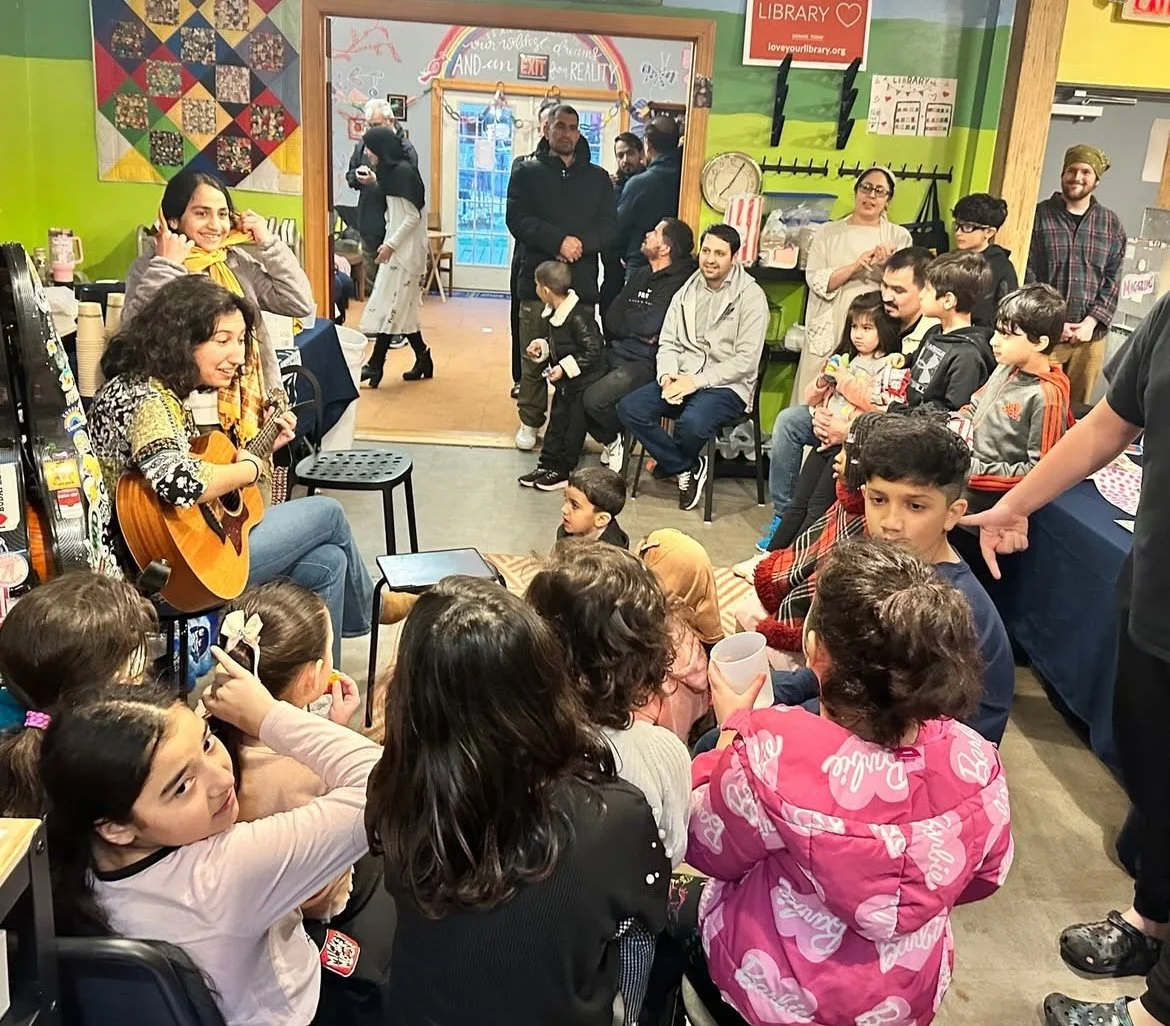
General Music
Lisa has worked with elementary students in Philadelphia and Pittsburgh. Her teaching is influenced by Dalcroze Eurhythmics, which centers movement in every musical activity. Through play, Lisa cultivates fundamental musical skills and creative expression.
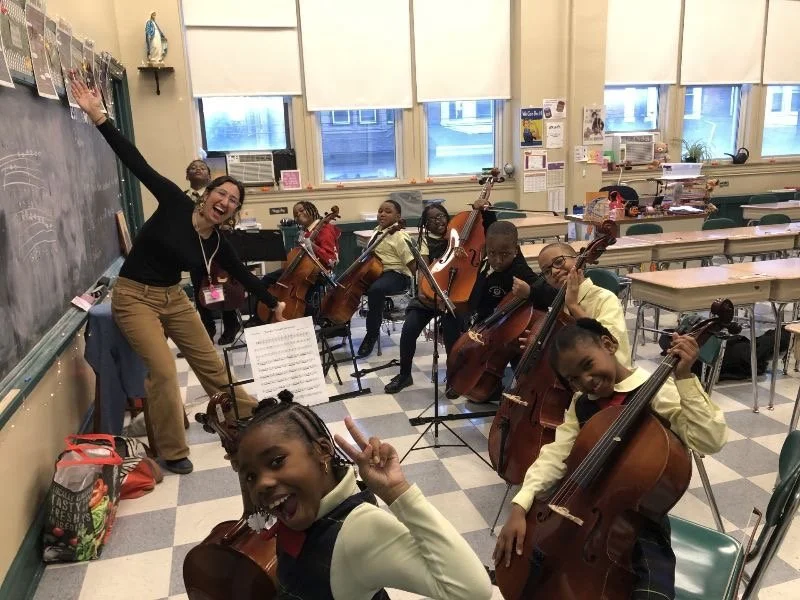
Instrumental Music
A cellist herself, Lisa has taught all standard orchestra and band instruments to students in 3rd-8th grade. Inspired by Collective Composition, Lisa works with her students to write music that reflects their personal identities and interests.